
Are You Convenienced?
Convenience came out in the top three needs among people aged 18-25 during a fan-led review of live music events earlier this year. DCMS consulted with over 500 people who prioritised convenience, affordability, and location.
In the same report, young people highlighted how live events forge connection and a sense of belonging, I know in 2026 madness, and expressed that they want live events to be more visible. You can swap in ‘sport’ for ‘music’ without changing the overall picture.
Convenience (n); easy to use, fits into plans, easily found, without requiring extraneous effort or difficulty. In practice, knowing where to find the fixture, it being easy to get to, it being reasonably priced. A lot of sport fits at least the criteria, and the product is good.
Taking the WSL fixture round of 18-20th Sept, it’s difficult to make the case that convenience is pulling its weight for these live events.
And that’s not to pick on the WSL, football grounds all around the country aren’t running at 100% - even in the Premier League. And the same is true at rugby fixtures, in League and Union, athletics meets, the list goes on.

When you read this a familiar refrain from your marketing and commercial colleagues might be ringing out; ‘Meet the audience where they are!’
That was a guiding principle 15 years ago when I was working in education. When you must engage 11-16s in school and learning materials, you need to know exactly how to engage students on their terms, they don’t hang around for a second hearing.
Collins Learning, part of News UK/International, reach and budgets as far as you need, but a business built on broadcasting. So it was an interesting challenge when I sat with experienced editors and execs and walked them through how the relationship between pupil and publisher had flipped, and how asking audiences to fit round your positioning was no longer an option.
In 2026, forging connections and a sense of belonging is a key motivator even for younger age groups building their lives online simultaneously. The best place to do that is on your turf, in your stands, in and alongside the bowl.
Why is it important to bring people into stadiums? For as long as you are building audiences on social channels, and content platforms, you are renting your audience, and are vulnerable to platform changes.
Crucially, rows of empty seats really detracts from the spectacle on broadcast; if folk can’t be bothered to turn up, why am I bothering to switch on, with the knock-on impact on commercial support from partners looking on.
This is more than just making sure the paid spend is putting your ad on the right screen or board at the right time.
Who are you targeting and what are their habits? How can you stack their habits with the behaviour that you want to achieve, that feels relatively seamless, a desired addition that leaves your prospective fans wondering why they haven’t been doing this all along?
Surrey CCC tried this with the ‘Work from Oval’ scheme, taking a routine behaviour and fitting their sport into it. I hope it comes back next summer, and many other county cricket sides were taking note ahead of the new County Championsip season.
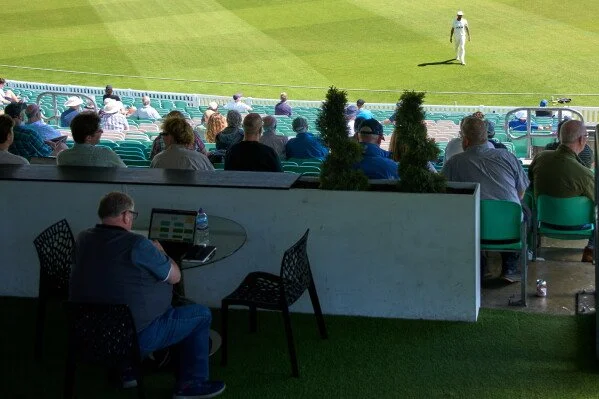
Women’s sport finds fertile ground among professionals and higher-educated demographics. Therefore, if your club has evening fixtures, how are you targeting groups to ‘hammock’ taking in the game between the end of the working day and the commute home?
If your town pulls people in at the weekend, cultural visitors in a town with a vibe, how are you making your club and the game part of their visit? Flipping the relationship, and thinking about how you fit into their needs is not as easy as it’s said, but it is necessary now.
The formula worked in education then; knowing what the audience is doing, when they are open to engaging, and having the right message in the right forum to welcome them in. 15 years later, the lesson can still land better in sport.